


Physical Therapy for Lower Back Pain: Causes & Exercises

Physical Therapy for Lower Back Pain is one of the most effective non-surgical treatment options available in the United States. Millions of Americans suffer from lower back pain every year, making it a leading cause of missed workdays and reduced mobility. Early physical therapy intervention helps reduce pain, restore function, and prevent long-term complications.
Lower back pain can affect people of all ages, especially office workers, athletes, and older adults. With a structured rehabilitation program, most patients experience significant improvement within weeks.
What Causes Lower Back Pain?
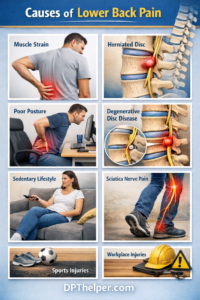
Lower back pain can develop due to various mechanical and structural issues. Common causes include:
- Muscle strain or ligament sprain
- Herniated or slipped disc
- Degenerative disc disease
- Poor posture
- Sedentary lifestyle
- Sports injuries
- Workplace injuries
- Sciatica
In the United States, prolonged sitting and improper workplace ergonomics are major contributors to chronic lower back pain.
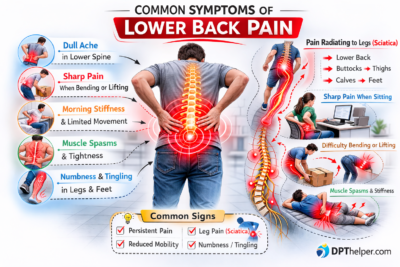
Common Symptoms of Lower Back Pain
- Persistent dull ache in the lower spine
- Sharp pain when bending or lifting
- Morning stiffness
- Muscle spasms
- Pain radiating down one or both legs
- Numbness or tingling sensations
If symptoms persist for more than two weeks, seeking professional Physical Therapy for Lower Back Pain is highly recommended.
Read More article ===> Physiotherapy Treatment for Swan Neck Deformity: Exercises, Splints, and Rehab Guide
How Physical Therapy for Lower Back Pain Works
A licensed physical therapist performs a detailed assessment to determine the root cause of pain. Based on the evaluation, a personalized treatment plan is developed.
Pain Relief Techniques
- Manual therapy
- Soft tissue mobilization
- Heat therapy and cold therapy
- Electrical stimulation
Stretching and Flexibility Exercises
- Hamstring stretch
- Piriformis stretch
- Cat-Cow mobility exercise
Core Strengthening Program
- Pelvic tilts
- Bridge exercises
- Plank variations
- Bird-dog exercise
Strengthening core muscles improves spinal stability and reduces recurring lower back pain episodes.
Posture and Ergonomic Training
Physical therapists educate patients on proper posture, workstation setup, and safe lifting techniques. This is particularly important for office workers across the U.S. who spend long hours sitting.
Best Home Exercises for Lower Back Pain
Home exercises are essential for long-term recovery. When performed consistently, they enhance the effectiveness of in-clinic treatment.
Pelvic Tilt
Lie on your back with knees bent. Tighten your abdominal muscles and flatten your lower back against the floor. Hold for five seconds and repeat ten times.
Bridge Exercise
Lift your hips upward while keeping shoulders on the floor. Hold for five seconds and repeat 10–15 times.
Knee-to-Chest Stretch
Bring one knee to your chest and hold for 20 seconds. Switch sides and repeat.
Recovery Timeline
- Mild muscle strain: 2–4 weeks
- Disc-related conditions: 6–8 weeks
- Chronic lower back pain: 8–12 weeks or longer
Early Physical Therapy for Lower Back Pain significantly reduces the likelihood of surgery and long-term medication use.
Insurance Coverage for Physical Therapy in the United States
Most health insurance plans in the United States, including Medicare and private insurers, cover physical therapy when medically necessary. Coverage limits vary depending on your specific plan and state regulations.
Many states allow direct access to physical therapy services without requiring a physician referral.
When to Seek Immediate Medical Attention
- Severe leg weakness
- Loss of bladder or bowel control
- Progressive numbness in both legs
- Pain lasting more than six weeks
These symptoms may indicate serious spinal conditions that require urgent evaluation.
Frequently Asked Questions (FAQs)
How long does physical therapy for lower back pain take?
Most mild cases improve within 2–4 weeks. Disc-related conditions may take 6–8 weeks, while chronic lower back pain can require 8–12 weeks or longer depending on severity.
Is physical therapy better than medication for back pain?
Physical therapy addresses the root cause of lower back pain by improving strength, flexibility, and posture, while medication mainly provides temporary pain relief.
Do I need a referral for physical therapy in the United States?
Many U.S. states allow direct access to physical therapy without a physician referral. However, insurance coverage requirements may vary.
Is physical therapy covered by insurance?
Most health insurance plans in the United States, including Medicare and private insurers, cover medically necessary physical therapy services. Coverage limits depend on the individual policy.
What is the best exercise for lower back pain?
Commonly recommended exercises include pelvic tilts, bridge exercises, and gentle stretching routines. A licensed physical therapist can provide a personalized program based on your condition.
Other Website for this Article details======> my.clevelandclinic.org